


This content has been medically reviewed by Florent Lavergne, Director of Clinical Research, Medical Affairs at Resmed.
The stages of sleep
We typically experience four stages of sleep:
- Sleep onset, when you drift into sleep
- Light sleep, when you’re asleep but still relatively easy to rouse
- Deep sleep, when your muscles relax, blood pressure drops, and breathing slows
- Rapid eye movement (REM) sleep, when your brain activity is comparable to waking hours and you start dreaming
These four stages repeat in cycles, lasting between 90 and 120 minutes each6. “What makes for good-quality sleep is the balance between these stages,” says Josh. “While it may seem like not much is happening during deep sleep, quite the opposite is true! Your body is busy repairing your tissues, bones and muscles7.”
This is why it’s really important that people, and especially athletes, get enough stage 3 sleep.
How much sleep do elite athletes need?
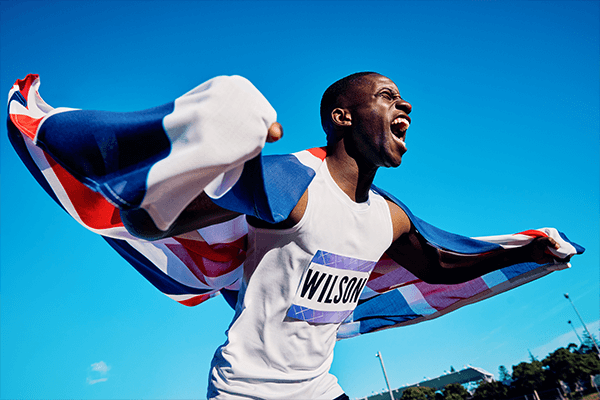
Healthy adults need around seven to nine hours of sleep a night8 – although some experts believe elite athletes may need more than this due to the extra demands they place on their bodies9.
One way to help get good-quality sleep is through exercise itself, as Josh explains: “Moderate to vigorous activity during the day can yield more consolidated periods of deep sleep than without.” Put simply, the more active you are, the better you should sleep.
However, in spite of this, some research has shown that athletes tend to sleep less on average than your typical couch potato10, and their quality of sleep seems to be lower than that of their less-sporty peers11. Why might this be?
“Athletes may be missing out on sleep for sorts of reasons, ” says Josh. “As discussed above, experiencing jetlag when travelling across time zones, having to get up early to train, or being nervous before a big game and not sleeping well, can all knock an athlete’s circadian rhythm out of balance .”
Even more reason for athletes to stay in tune with their sleep patterns!
What does this mean for me?
You don’t need to do anything as strenuous as running marathon or swimming the Chanel to enjoy physical activity’s positive effect on sleep (phew!). In fact, studies have shown that as little as 10 minutes of aerobic exercise a day can help you sleep better12. And if you do happen to be an early riser, it’s also been shown that people who do moderate-intensity workouts before 7am have improved overall sleep quality13.